
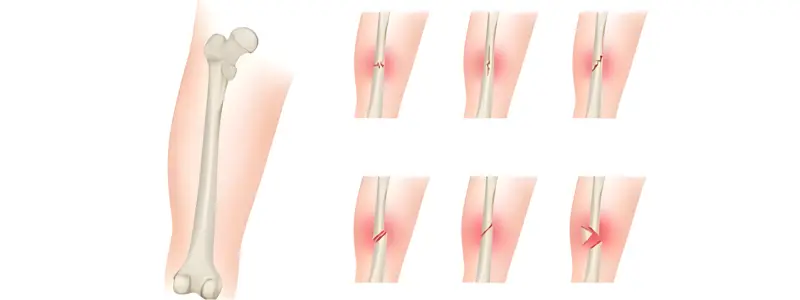
A hip fracture is a break at the upper end of the thigh bone (femur), near the hip joint. In older people, it often follows a simple fall, usually because of weak bones (osteoporosis). In younger adults, it usually follows a high-energy injury, such as a road accident or a fall from a height. Hip trauma also includes fractures of the hip socket (acetabulum) and hip dislocations.
Most hip fractures need surgery, either to fix the bone or to replace part or all of the hip joint. For older people, surgery soon after admission and early standing and walking help to reduce the complications of staying in bed.
At PMG Hospital, Gota, emergency and trauma care is available 24×7, and hip fractures are treated with fixation and hip replacement. This page explains the types of hip fracture, the timing of surgery, how the operation is chosen, recovery, bone health, risks and cost factors.
Why Prompt Treatment Matters
A hip fracture is a serious injury for an older person and can lead to major complications and, in frail people, death. Long periods in bed increase the risk of chest infection, blood clots, pressure sores, confusion (delirium) and muscle weakness. UK national guidelines (NICE) recommend surgery on the day of admission or the day after, once the patient's medical condition has been checked and treated as needed, and standing and walking with help from the day after surgery when possible.
Source: National Institute for Health and Care Excellence (NICE). Hip fracture: management. Clinical guideline CG124.
Types of Hip Fracture and Hip Trauma
| Type | What it is |
|---|---|
| Fracture of the neck of the femur (intracapsular) | Just below the ball of the hip, inside the joint capsule; the blood supply to the ball may be damaged |
| Intertrochanteric fracture (extracapsular) | Between the bony prominences at the upper end of the thigh bone, outside the joint capsule |
| Subtrochanteric fracture | Just below these prominences, in the upper part of the shaft of the thigh bone |
| Acetabular fracture | A fracture of the hip socket, usually after a high-energy injury |
| Hip dislocation or fracture-dislocation | The ball comes out of the socket, sometimes with a fracture; it needs urgent reduction |
| Periprosthetic fracture | A fracture around an existing hip replacement |
Sometimes a hip fracture does not show on the first X-ray. If a hip fracture is still suspected, an MRI scan (or a CT scan if MRI is not possible) is usually done.
Assessment and Care Before Surgery
A hip trauma surgery doctor in Ahmedabad - an orthopaedic surgeon - assesses the injury and plans treatment together with the anaesthetist and physicians:
- 1Examination and X-rays: of the hip and pelvis, with CT or MRI when needed
- 2Medical assessment: heart, lungs, kidneys, blood count, blood sugar, medicines (especially blood thinners) and memory
- 3Pain relief: including a nerve block in the groin in many patients
- 4Prevention of complications: care of the skin to prevent pressure sores, fluids and nutrition, and measures to prevent blood clots
A hip trauma treatment hospital in Ahmedabad should provide 24×7 emergency care, prompt X-rays and scans, anaesthesia services, care from physicians for older patients and physiotherapy, as well as surgery.
Hip Trauma Treatment in Ahmedabad: Fix or Replace
| Fracture and patient | Usual treatment |
|---|---|
| Intertrochanteric fracture, stable | Sliding hip screw (dynamic hip screw), usually preferred; a nail in some cases |
| Intertrochanteric fracture, unstable, or subtrochanteric fracture | Intramedullary nail (a rod inside the thigh bone) |
| Undisplaced fracture of the neck of the femur | Fixation with screws or a sliding hip screw; replacement in some older patients |
| Displaced fracture of the neck of the femur, older patient | Partial hip replacement (hemiarthroplasty), or total hip replacement for patients who could walk independently outdoors with no more than a stick and have no condition that makes the operation unsuitable |
| Displaced fracture of the neck of the femur, younger adult | Urgent reduction and fixation, to try to keep the natural hip |
| Acetabular fracture | Treatment without surgery for some stable fractures; plate and screw fixation for displaced fractures |
| Periprosthetic fracture | Fixation, revision of the hip replacement, or both |
In fractures of the neck of the femur, the blood supply to the ball of the hip is often damaged. In older people, fixing a displaced fracture of this type often fails, which is why a replacement is usually advised. Related pages: Hip replacement · Partial hip replacement
Hip Fracture Surgery in Ahmedabad: Step by Step
- 1Anaesthesia: spinal or general anaesthesia, often with a nerve block for pain relief
- 2Positioning and X-ray guidance: when the fracture is to be fixed, it is put back into position under X-ray imaging during surgery
- 3Fixation or replacement: the fracture is held with screws, a sliding hip screw or a nail, or the ball (or the whole joint) is replaced
- 4Closure: the wound is closed and dressed
Recovery After Hip Fracture Surgery
| Time | What usually happens |
|---|---|
| Day after surgery | Sitting out of bed, standing and first steps with a walker and the physiotherapist, when possible |
| First days | Pain control, prevention of complications, walking practice; discharge home or to a rehabilitation setting when safe |
| Weeks 1–6 | Walking with a walker or stick, exercises at home |
| Up to a few months | Strength, balance and confidence improve gradually |
Most patients are allowed to put full weight on the leg soon after surgery, but this depends on the fracture and the fixation. Recovery depends on health, mobility and memory before the injury. Many people walk again with a walking aid, but some do not regain their previous level of walking or independence and need more help at home.
Preventing the Next Fracture
A hip fracture after a minor fall is often a sign of osteoporosis and raises the risk of another fracture. A bone health check, treatment of osteoporosis, a check of vision and medicines that may cause falls, and exercises for strength and balance help to reduce this risk.
Risks and Possible Complications
Hip fractures and their treatment carry risks, especially in older people with other illnesses. The surgeon and anaesthetist explain these before taking consent.
- Chest infection, urinary infection, confusion (delirium) and pressure sores, especially in older people
- Blood clots in the leg veins or lungs
- Wound infection or infection around the implant
- Failure of the fixation, failure of the fracture to heal, or loss of blood supply to the ball of the hip, which may need further surgery
- Dislocation of a hip replacement
- A difference in leg length
- Bleeding needing blood transfusion
- Anaesthesia-related and general medical risks, including heart, lung and kidney problems, and, in frail older people, death
Hip Trauma Treatment Hospital in Ahmedabad
When choosing a hip trauma surgery hospital in Ahmedabad, check that the treating surgeon is a qualified orthopaedic surgeon with valid medical council registration, that the hospital regularly treats these injuries, whether emergency care, X-rays and other scans are available at all hours, how infection is prevented, which implants are available, what physiotherapy and follow-up are provided, and what the written estimate includes.
Look beyond general phrases such as "a hip trauma surgery hospital with modern facilities" and ask which facilities are actually available on site.
Hip Fracture Surgery Cost in Ahmedabad
- The type of fracture and operation (screws, a sliding hip screw, a nail, or a partial or total hip replacement)
- The implants used
- Length of hospital stay and room category, and any intensive care
- Other medical conditions
- Physiotherapy and follow-up
A written, itemised estimate can be requested from the hospital after assessment.
Insurance
- Treatment of hip fractures is generally covered under health insurance policies, subject to policy terms and insurer approval
- Some policies have limits on room rent or implant costs; check these with your insurer
- Ask the hospital whether cashless treatment is available with your insurer, and whether the hospital is empanelled under the government health scheme that applies to you
Hip Trauma Doctor in Ahmedabad
A hip fracture is treated by an orthopaedic surgeon, but care usually starts in the emergency department, and older patients often need several doctors working together. Different doctors may be involved at different stages:
| Doctor or therapist | Role in hip trauma care |
|---|---|
| Emergency doctor | First assessment after the fall or injury, pain relief, and checks for other injuries |
| Orthopaedic surgeon | Confirms the type of fracture, decides between fixation and replacement, and performs the operation |
| Radiologist | Performs and reports X-rays, and CT or MRI when a fracture is not clear |
| Anaesthetist | Checks fitness for surgery, and gives the anaesthesia and the nerve block for pain relief |
| Physician or geriatrician | Treats heart, lung, kidney, blood sugar or memory problems before and after surgery, and checks bone health |
| Physiotherapist | Starts standing and walking after surgery and plans rehabilitation |
| General or trauma surgeon | Assesses chest, abdominal or other injuries after a high-energy accident |
Hip Trauma Surgery Doctor in Ahmedabad
Decisions after a hip fracture are often made quickly, but the patient and family can still ask the hip trauma surgery doctor in Ahmedabad a few clear questions. The answers help you understand the plan and give informed consent.
- Which type of fracture is it, and is there any other injury?
- Which operation is planned - screws, a sliding hip screw, a nail or a replacement - and why?
- Does any medical problem need treatment before the operation?
- Which type of anaesthesia and pain relief will be used?
- Can the patient put full weight on the leg after surgery?
- How can confusion (delirium) be prevented or recognised after surgery?
- How long is the hospital stay, and what help will be needed at home?
- When will follow-up X-rays be done to check healing?
Treating Surgeon
At PMG Hospital, hip fracture surgery, including fixation and hip replacement, is performed by:
| Detail | Information |
|---|---|
| Name | Dr. Hiren Patel |
| Qualification | MS (Ortho), B.J. Medical College, Ahmedabad |
| Specialty | Orthopaedics |
| Designation | Director & Head Joint Replacement Surgeon, PMG Hospital |
| Registration status | Registered Medical Practitioner |
| Registration number | Gujarat Medical Council Reg. No. G-20583 |
| OPD availability | Monday to Saturday, 10:00 AM - 8:00 PM |
Facilities at PMG Hospital
- Orthopaedic OPD, Monday to Saturday
- Emergency and trauma care, 24×7
- Orthopaedic physiotherapy centre
Frequently Asked Questions
What should I do if an older person falls and cannot stand?
Keep the person still and comfortable, do not try to make them walk, and call 108 or go to the nearest emergency facility. Hip pain after a fall, inability to stand, and a leg that looks shorter or turned outward are common signs of a hip fracture.
How soon should a hip fracture be operated on?
UK national guidelines (NICE) recommend surgery on the day of admission or the next day, once the patient's medical condition has been checked and treated as needed. Long periods in bed increase the risk of chest infection, blood clots and pressure sores in older people.
Is a hip fracture fixed or replaced?
It depends on the type of fracture, age, bone quality and activity before the injury. Fractures below the neck of the thigh bone are usually fixed with a sliding hip screw or a nail. A displaced fracture of the neck of the thigh bone in an older person is usually treated with a partial or total hip replacement. In younger adults, the surgeon usually tries to fix the fracture and keep the natural hip.
Why is a displaced fracture of the neck of the thigh bone often replaced?
This type of fracture often damages the blood supply to the ball of the hip. If it is fixed in an older person, the ball may lose its blood supply or the fracture may not heal, and a further operation may be needed. Replacing the ball (or the whole joint) allows the patient to stand and walk soon after surgery.
Will an older person walk again after a hip fracture?
Many people walk again with a walking aid, but recovery depends on health, mobility and memory before the injury. Some people do not regain their previous level of walking or independence and need more help at home. Early surgery, standing on the day after surgery when possible, and physiotherapy help recovery.
Can a hip fracture be treated without surgery?
Surgery is the usual treatment, because long periods in bed carry a high risk of serious complications. Treatment without surgery is considered only for a few patients, such as those who are too unwell for an operation. Some stable fractures of the hip socket or pelvis, which are not hip fractures, are also treated without surgery.
Why is bone health checked after a hip fracture?
A hip fracture after a minor fall is often a sign of osteoporosis and raises the risk of another fracture. A bone health check, treatment of osteoporosis and steps to prevent falls help to reduce this risk.
What facilities should a hospital have for hip fracture care?
It should have 24×7 emergency care, X-ray and access to CT and MRI, an operation theatre suitable for fracture fixation and hip replacement with strict infection-control practices, anaesthesia services, care from physicians for older patients, access to intensive care, and physiotherapy.
What decides the cost of hip fracture treatment?
The cost depends on the type of fracture and operation (screws, a sliding hip screw, a nail, or a partial or total hip replacement), the implants, the length of hospital stay, room category, any intensive care, other medical conditions and physiotherapy. A written, itemised estimate can be requested from the hospital after assessment.
Contact and Location
PMG Hospital
3rd Floor, Athena Avenue, B/H Jaguar Showroom, Nr. Eulogia Inn Hotel, Gota, Ahmedabad, India
- Phone / WhatsApp:
- +91 96627 70141
- OPD:
- Mon – Sat · 10:00 AM – 8:00 PM
- Emergency and trauma care:
- 24×7